Home Page


EPIURB
EPIURB is a research project that proposes a renewed analytical framework for understanding the dynamics that shape the contemporary city. In contrast to traditional urban planning approaches, often guided by hegemonic rationalities of spatial ordering, management, and control, the project adopts an expanded, transversal, and transdisciplinary perspective, integrating contributions from different fields of knowledge relevant to Architecture and Urbanism.
Starting from the recognition that the contemporary urban condition is characterized by mobile identities, shifting territorialities, and heterogeneous forms of spatial production, EPIURB investigates processes that tend to remain underrepresented in conventional analyses. In this sense, it shifts the focus away from urbanism as the prerogative of centralized instances and instead considers the city as a historical and everyday production, resulting from the actions of multiple agents, practices, and regimes of use, in constant negotiation and dispute.
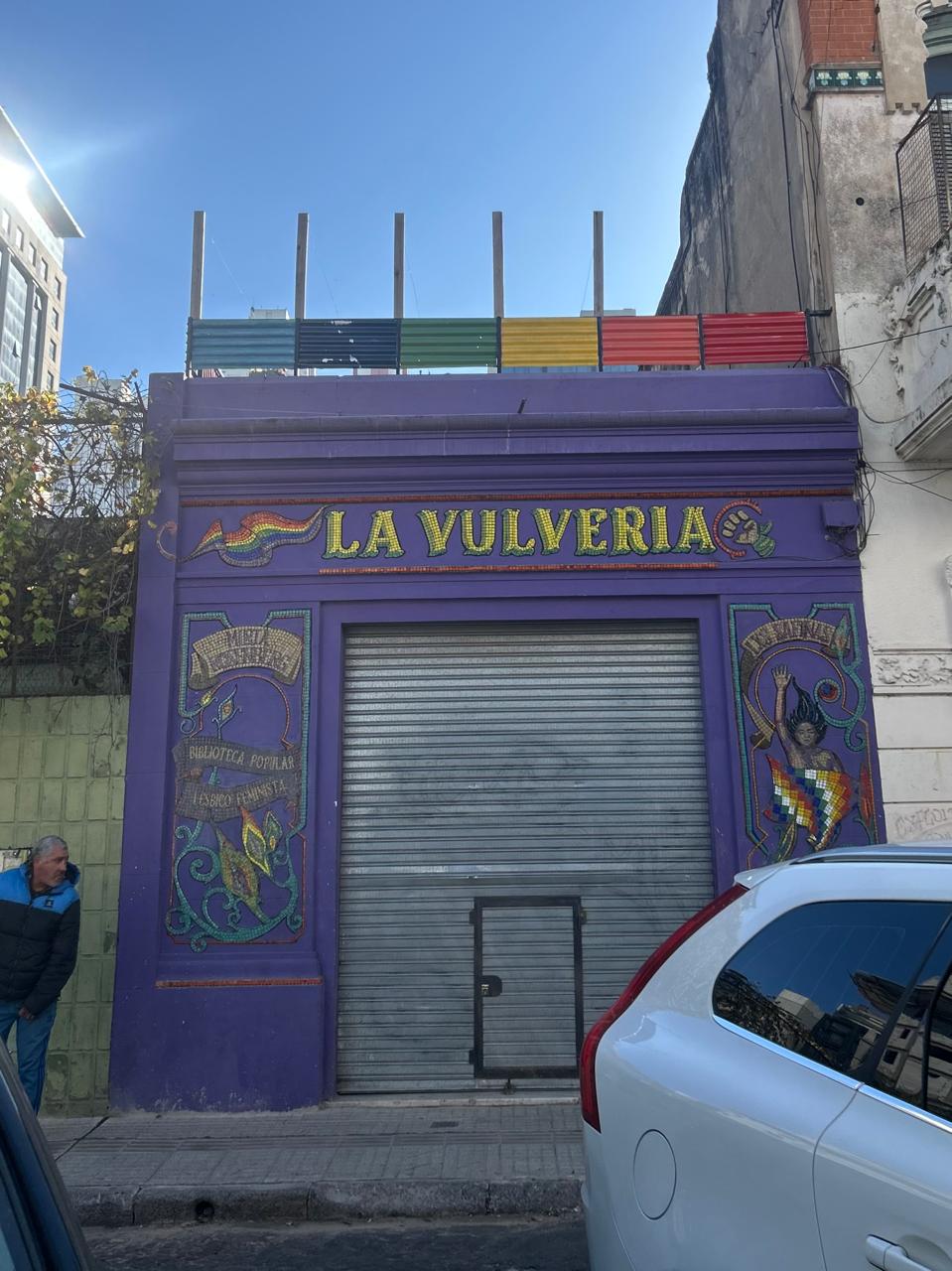
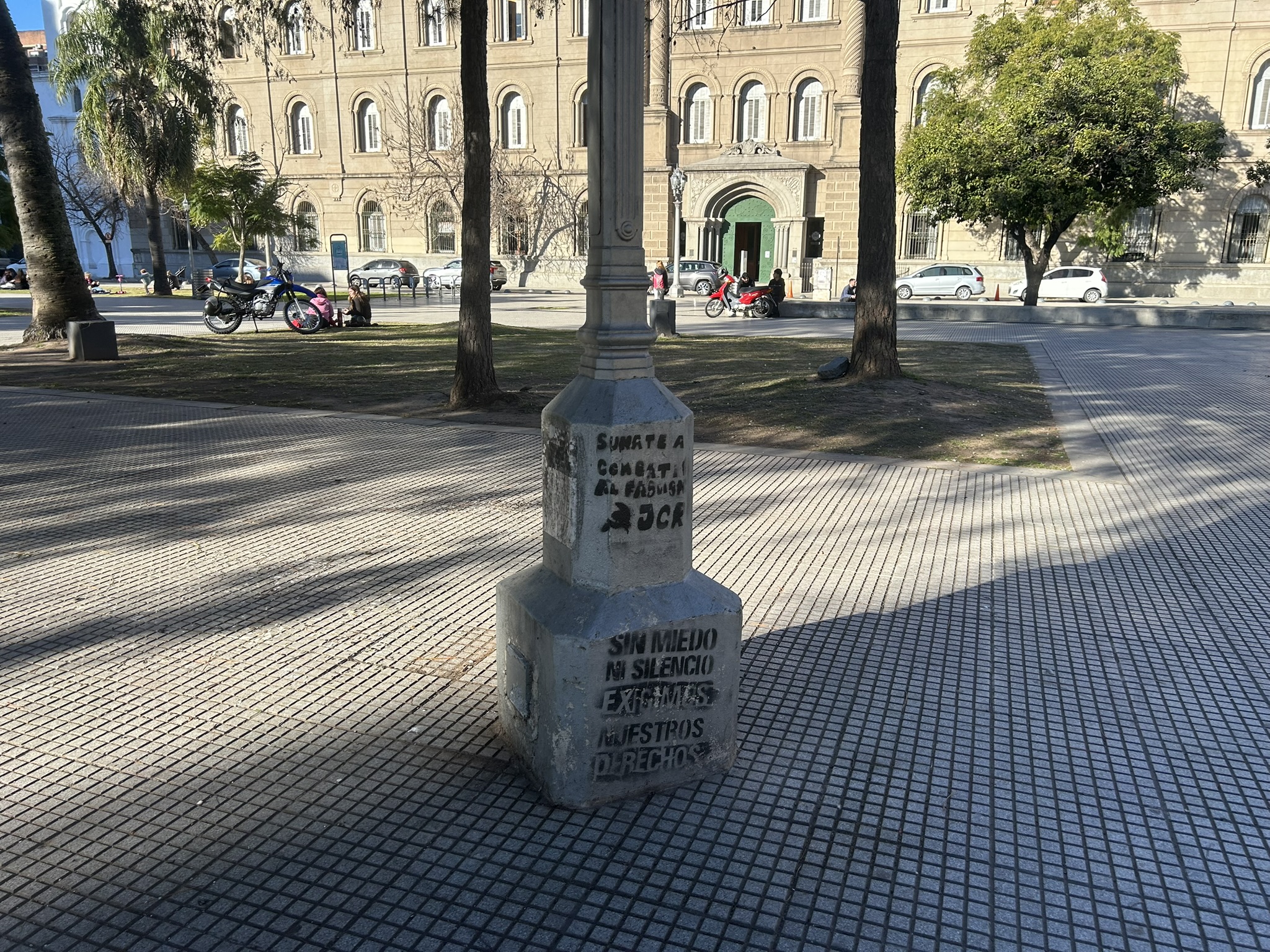
The project pays particular attention to urban realities in continuous reinvention, especially in interactions between Global South–South contexts, seeking to make explicit the asymmetries, conflicts, and struggles for recognition that traverse urban space. By articulating different forms of knowledge, EPIURB aims to construct critical repertoires capable of reading and interpreting processes of commodification, privatization, and reconfiguration of public space, as well as collective practices and forms of socio-spatial resistance that reorient meanings of belonging, memory, and urban equity.
As a result, EPIURB affirms the need for an urban thinking that is methodologically plural and epistemologically attentive to contemporary complexity, committed to the production of critical knowledge and to the expansion of interpretive and interventive possibilities in relation to the city.
THE PROJECT
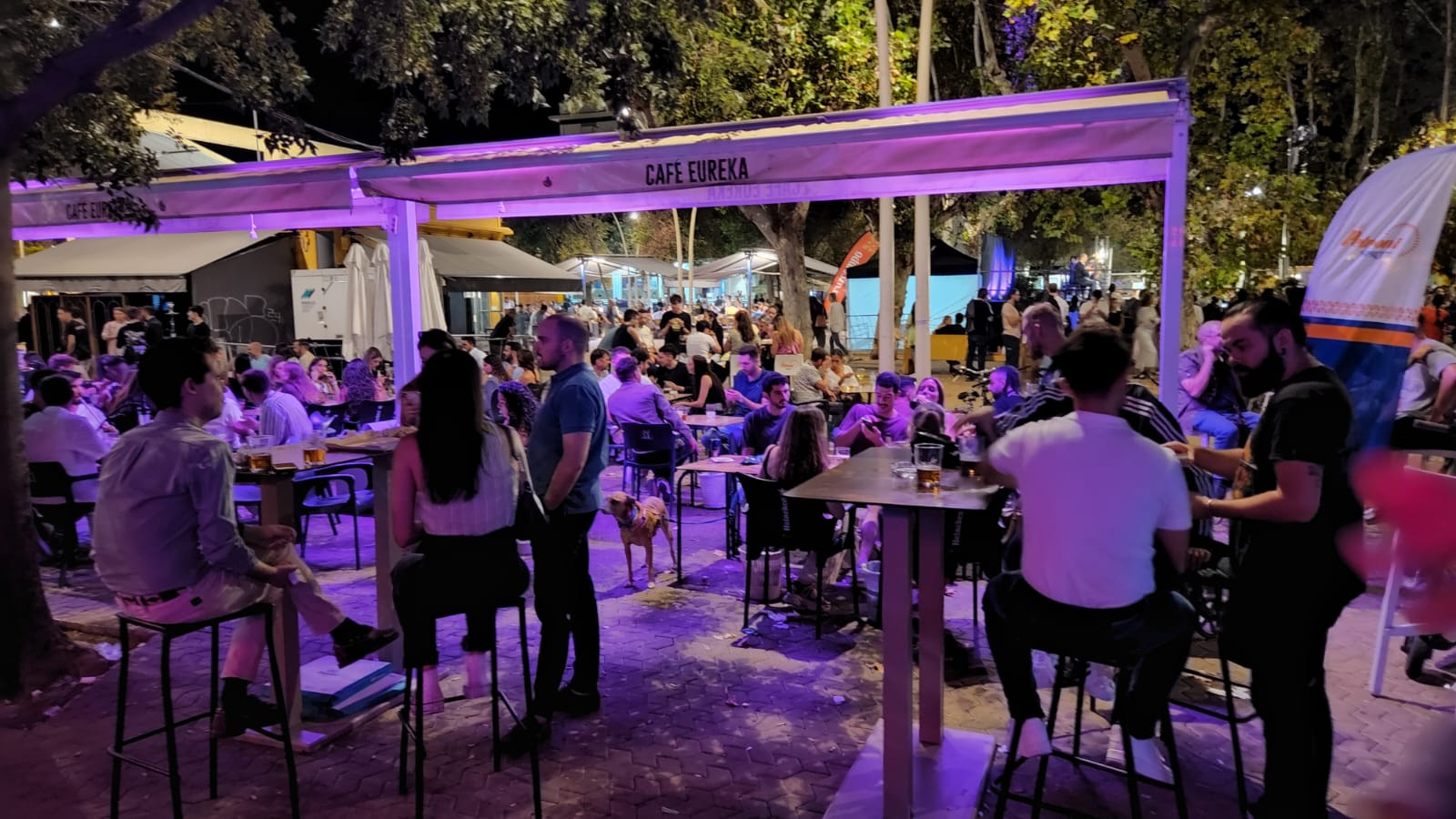
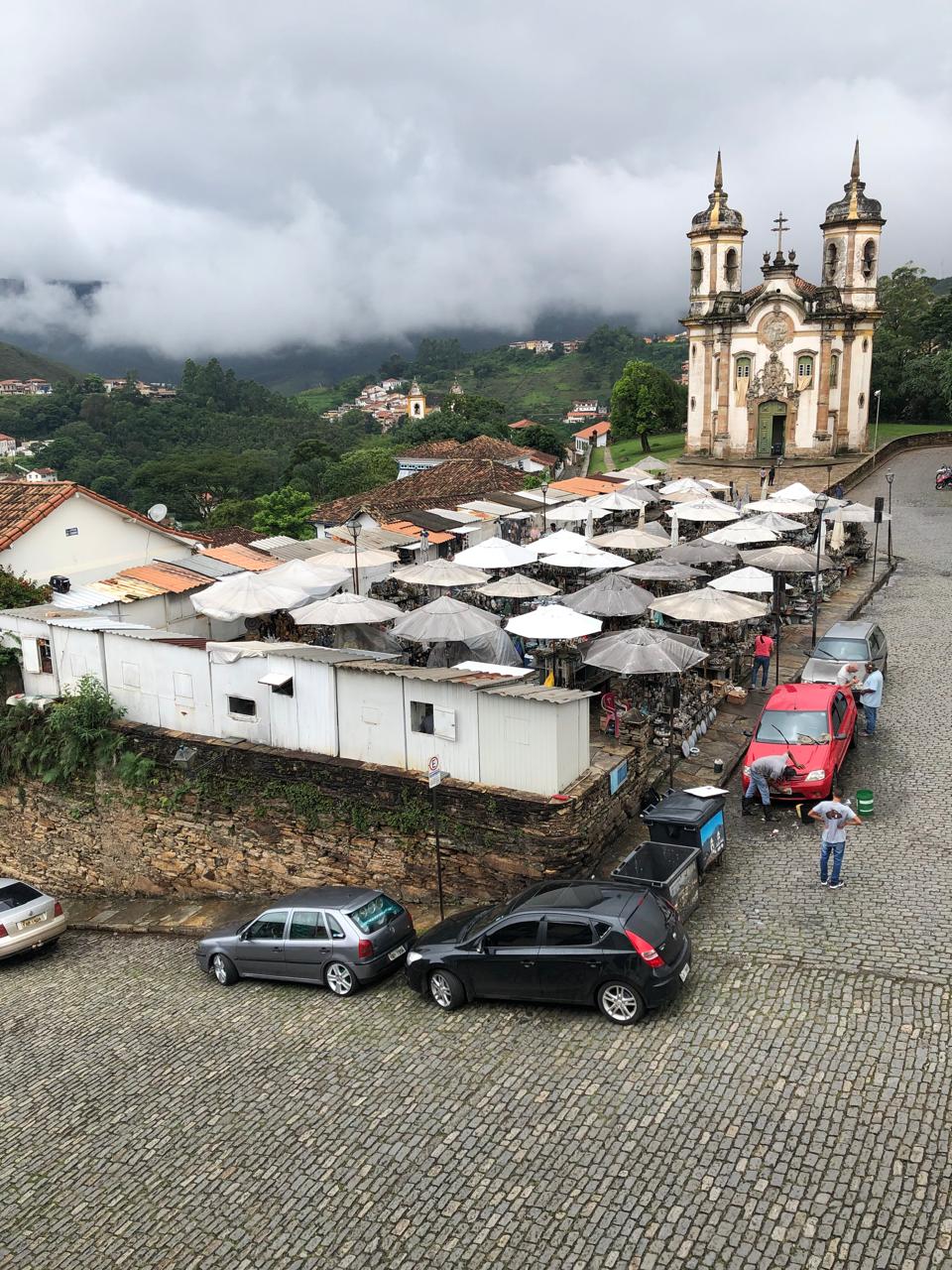
The project From Atmospheres and Intermediarities of a Minor Urbanism: Epistemologies of an (Other) Architecture investigates contemporary modes of the (re)production of the city, with particular attention to South–South contexts (the Global South of Latin America and Southern Europe). The research is grounded in the understanding that the contemporary urban condition is marked by fluid identities, unstable territorialities, and continuous transformations resulting from complex social relations involving uses, agreements, conflicts, impositions, and mutual adaptations.
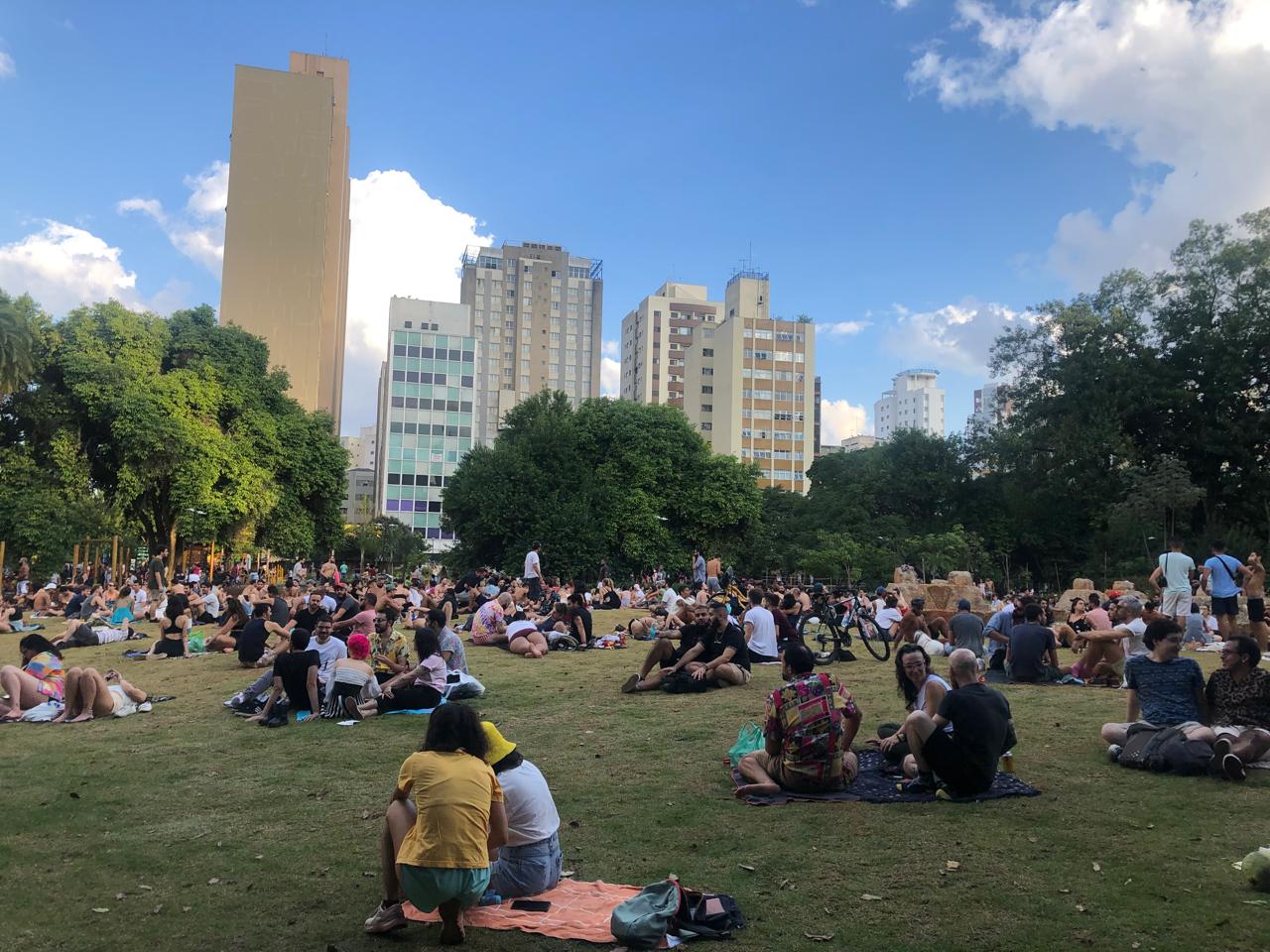
Within this scenario, processes linked to the commodification, consumption, and privatization of urban space can be observed, as well as the weakening of the traditional roles of the State in mediating urban dynamics. In contrast to these hegemonic logics, the project adopts the concept of minor urbanism as a critical key to understanding spatial practices that escape the domestication of public space and reveal other forms of urban production, grounded in everyday life, resistance, and the collective construction of space.
The investigation also mobilizes the notion of spatial atmospheres, derived from Peter Sloterdijk, to examine how the ambiances of public spaces are constituted, considering their sensory, symbolic, and political dimensions. From this perspective, three central analytical lines are proposed: intermediarities, processes of resistance, and memories and constructions of immaterialities. The objective is to broaden the understanding of public space as a field of dispute, belonging, and meaning-making, contributing to reflections on possible alternatives to the banalization and privatization of the urban realm, toward more equitable cities.
www.epiurb.leauc.iau.usp.br
The EPIURB website is conceived as an organic extension of the project’s theoretical and methodological proposal, functioning not only as a space for institutional dissemination but as an active platform for mediation, experimentation, and the circulation of critical knowledge on the contemporary urban condition; integrated into the investigations of the project From Atmospheres and Intermediarities of a Minor Urbanism, the digital environment organizes and articulates texts, analytical records, visual essays, and reflections that foreground everyday spatial practices, processes of resistance, and constructions of immateriality often marginalized by hegemonic urban planning approaches, fostering transdisciplinary dialogue and South–South connections while reaffirming EPIURB’s commitment to a plural, situated form of knowledge production that is epistemologically attentive to the complexities, disputes, and interpretive possibilities of the contemporary city.